1273 Kirk Road
Garnet Valley, PA 19060




Understanding Pet Allergies: How to Spot Them and Help Your Pet Feel Better
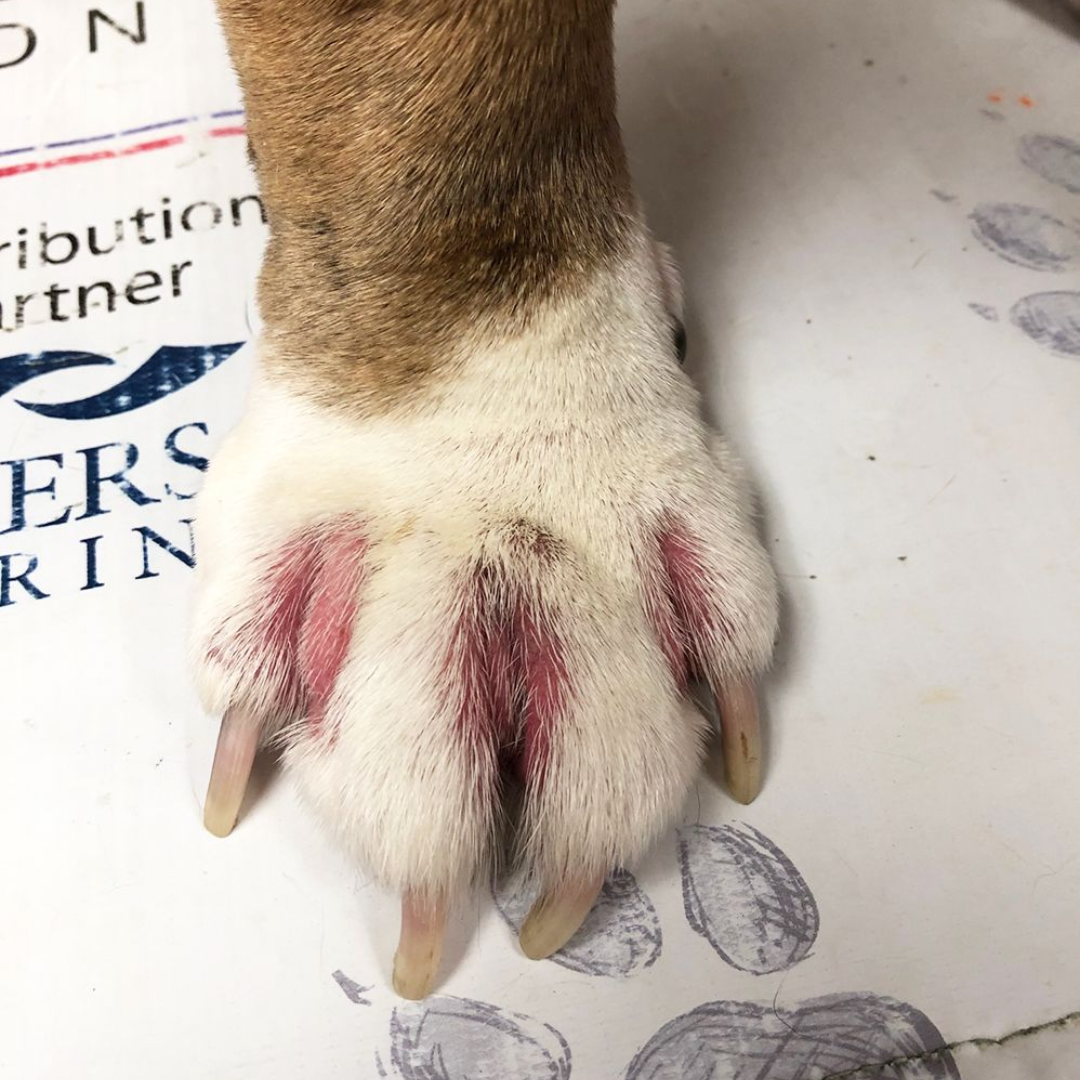
If your pet can’t seem to get comfortable, whether it’s persistent itching, paw licking, ear shaking, or even recurring digestive upset, allergies could be to blame. The good news is that allergies are very common in both dogs and cats, and while they aren’t something we can cure, they are something we can effectively manage.
Twin Tails Veterinary Hospital is here to help identify the cause, ease your pet’s symptoms, and create a plan that keeps them feeling their best, so everyone in your home can get back to more comfortable, restful days (and nights).
What Do Pet Allergies Look Like?
Allergies don’t look the same in every pet, but here are some common signs we see at Twin Tails Veterinary Hospital:
In Dogs (and some cats):
Itchy skin (scratching, chewing, licking)
Red or irritated skin
Recurrent ear infections
Hair loss
Hot spots
Vomiting or diarrhea
Cats often show allergies differently, which can make them trickier to spot:
Small scabs or bumps on the skin
Over-grooming that leads to hair loss
Severe itching around the head and neck
Swollen or irritated skin lesions
Allergies can appear seasonally, or persist year-round.
Types of Allergies in Pets
Environmental Allergies (Atopy)
These are reactions to pollen, grass, dust mites, mold, and other environmental triggers.
Can be seasonal or year-round
Often begins between 6 months and 4 years of age
Can worsen over time if not managed
Food Allergies
Food allergies can develop at any age but are most common in very young or older pets.
Typically cause year-round symptoms
Diagnosed through an 8–12 week prescription diet trial
Over-the-counter diets aren’t reliable for testing due to cross-contamination
Prescription diets may include:
Hydrolyzed protein–broken down so the immune system doesn’t recognize it
Novel protein–a new protein source like rabbit or duck
Pets can have both food and environmental allergies at the same time, so a thorough evaluation is key.
Why We Always Start With Parasite Prevention
Before we diagnose allergies, we rule out parasites. Fleas, mites, and intestinal parasites can cause similar symptoms:
Even one flea bite can trigger intense itching in an allergic pet
All pets in the home need year-round flea prevention
Flea infestations can take up to 3 months to fully clear
Treating only one pet isn’t enough
Parasite prevention is always the first step in keeping your pet comfortable.
Secondary Infections: A Hidden Cause of Discomfort
Pets with allergies often have a weakened skin barrier, making them more susceptible to bacterial and yeast infections:
Infections can make itching worse
Allergy medications alone won’t resolve them
Antibiotics or antifungal treatments may be needed
Yeast infections, in particular, can cause rapid and severe discomfort.
Treatment Options at Twin Tails Veterinary Hospital
Every allergic pet is different, so we create customized management plans. Treatments may include:
Fast-Acting Oral Medications
Daily medications that quickly relieve itching and inflammation.
Cytopoint Injections
Given every 4–8weeks, many pets feel relief within1–2 days.
Long-Term Oral Medications
It takes several weeks to reach full effect, but is great for ongoing management.
Topical Therapy
Shampoos, mousses, sprays, and wipes help maintain skin health and manage flare-ups.
What to Expect at Twin Tails Veterinary Hospital
Managing allergies takes time and patience. At Twin Tails Veterinary Hospital, we’ll work with you to:
Rule out parasites
Clear infections
Complete diet trials
Adjust medications as needed
You’re not alone, we’ll guide you every step of the way to keep your pet comfortable and healthy. Allergies can be frustrating, but with the right approach, most pets can feel so much better. At Twin Tails Veterinary Hospital, our team is committed to creating a personalized allergy plan for your pet so they can enjoy a happy, itch-free life.
Quick Links
Keep
In Touch

Office hours
- Monday 8:00 AM - 8:00 PM
- Tuesday 8:00 AM - 8:00 PM
- Wednesday 8:00 AM - 6:00 PM
- Thursday 8:00 AM - 8:00 PM
- Friday 8:00 AM - 5:00 PM
- Saturday 8:00 AM - 1:00 PM
- Sunday Closed
Get in touch
© 2026 Twin Tails Veterinary Hospital. All rights Reserved - Accessibility Statement - Privacy Policy - Sitemap
Powered by