
1273 Kirk Road
Garnet Valley, PA 19060




Dental Health Month: The Hidden Tooth Pain Many Cats Live With
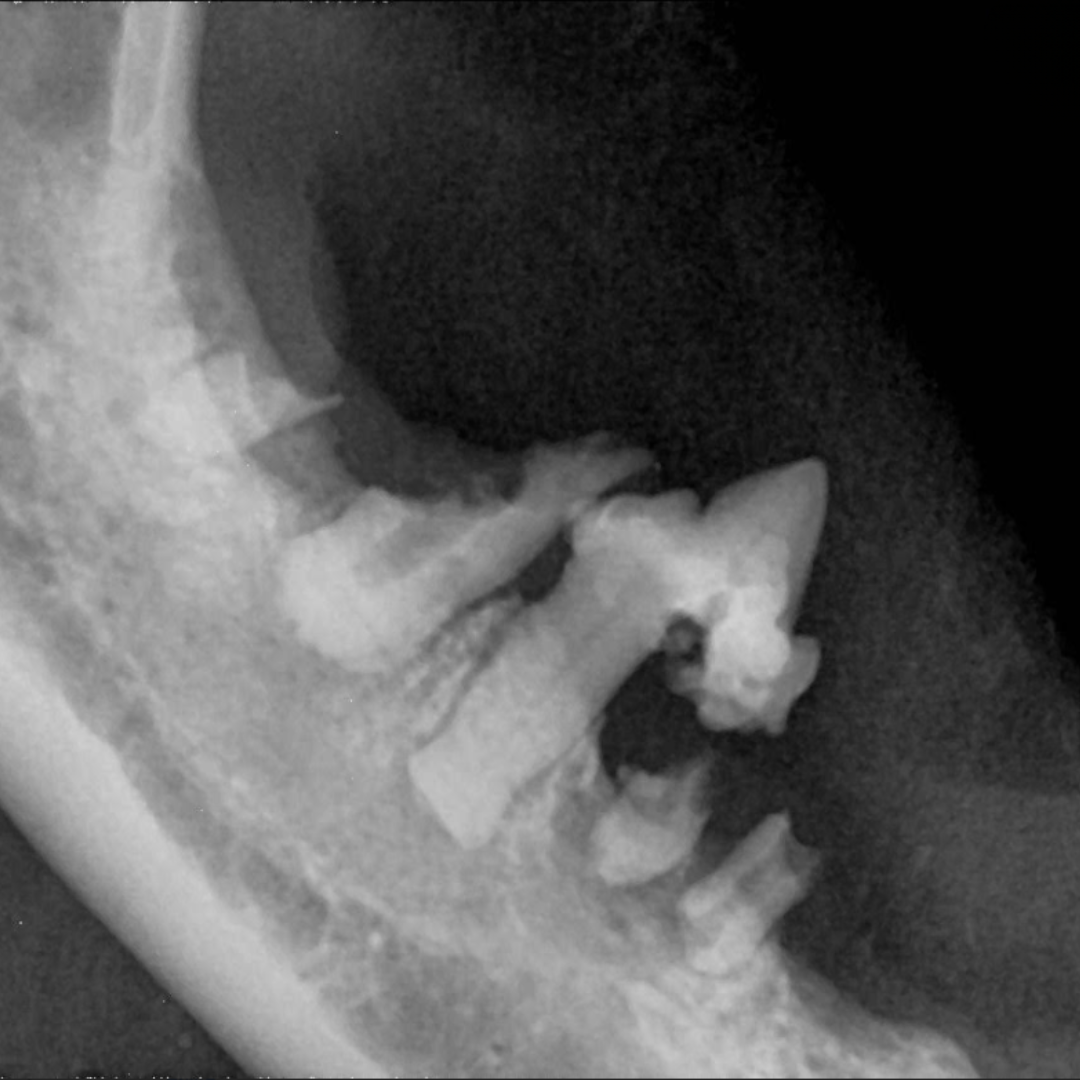
February is Dental Health Month, and it’s the perfect time to talk about something that often gets overlooked, feline dental disease.
Many cat owners are surprised to learn that cats can suffer from significant tooth pain while still acting mostly “normal.” Cats are incredibly skilled at hiding discomfort, which means dental disease often goes unnoticed until it becomes severe.
One of the most common, and painful conditions we diagnose in cats is tooth resorption.
A Real-Life Example: When Subtle Signs Were Actually Dental Pain
Recently, we saw a 7-year-old Domestic Shorthair who came to Twin Tails Veterinary Hospital for a few concerning changes at home. His owner noticed he was:
● Drooling more than usual
● Not eating well
● Sleeping more
● Acting withdrawn and hiding
While these symptoms can be caused by a variety of health issues, they can also be major red flags for oral pain.
During his exam, our team found changes that suggested dental disease, and we recommended a professional dental cleaning with dental x-rays to fully evaluate what was happening below the gumline
What Are Resorptive Lesions in Cats?
Tooth resorption (also called feline resorptive lesions or FORL) occurs when a cat’s body begins to break down the structure of one or more teeth.
This process often begins at or below the gumline, meaning it can’t always be seen during a routine visual exam. That’s one reason dental x-rays are so important in cats.
Why do they happen?
The frustrating truth is that there is no single confirmed cause for tooth resorption. We know it’s common, we know it progresses over time, and we know it is painful, but we don’t have a clear answer for why certain cats develop it.
Are they painful?
Yes, very. Resorptive lesions can cause significant discomfort, even if your cat is still eating or behaving normally. Cats often continue to eat through pain because they’re driven by instinct to survive and hide weakness.
Why Dental X-Rays Matter
In this case, we performed full-mouth dental x-rays during the patient’s dental procedure. These x-rays confirmed that multiple teeth were actively resorbing.
When teeth are resorbing, they cannot be saved, and the recommended treatment is typically extraction of the affected teeth.
Once the painful teeth were removed, the difference was dramatic.
The Result: A Happier, Healthier Cat
After extractions, this patient recovered very well and showed a huge improvement at home. His owner reported that he was:
● More active
● Eating normally again
● Drooling less
● No longer hiding
This is something we see often after dental treatment, many cats act like their old selves again once their oral pain is resolved.
Do Cats Really Need Dental Cleanings?
Yes, and this is one of the most important messages we can share during Dental Health Month.
Even if your cat seems fine, dental disease may still be present. Many cats don’t show obvious symptoms until their discomfort becomes severe.
There are a number of over-the-counter dental products that can help slow the progression of dental disease, such as:
● Veterinary-approved dental treats
● Water additives
● Oral rinses
● Tooth brushing (when possible!)
However, these products are meant to support dental health, not replace professional care.
Yearly exams matter.
We recommend annual wellness exams and dental evaluations so we can determine whether your cat needs a dental cleaning, and whether dental x-rays are needed to check for hidden problems like resorption.
Signs Your Cat May Have Dental Pain
Some common signs include:
● Drooling
● Bad breath
● Eating less or chewing differently
● Pawing at the mouth
● Hiding more than usual
● Sleeping more
● Behavioral changes (irritability, less social)
If you notice any of these changes, it’s a good idea to schedule an exam.
Final Thoughts
Dental disease is one of the most common health problems we see in cats, and unfortunately, it’s also one of the easiest to miss.
This Dental Health Month, we encourage cat owners to think beyond “just bad breath” and remember that oral pain can affect your cat’s appetite, mood, and overall quality of life.
If you’re concerned about your cat’s teeth, Twin Tails Veterinary Hospital is here to help. 🐾🦷
Quick Links
Keep
In Touch

Office hours
- Monday 8:00 AM - 8:00 PM
- Tuesday 8:00 AM - 8:00 PM
- Wednesday 8:00 AM - 6:00 PM
- Thursday 8:00 AM - 8:00 PM
- Friday 8:00 AM - 5:00 PM
- Saturday 8:00 AM - 1:00 PM
- Sunday Closed
Get in touch
© 2026 Twin Tails Veterinary Hospital. All rights Reserved - Accessibility Statement - Privacy Policy - Sitemap
Powered by